
Living in Costa del Este, Panama: The Complete 2026 Guide
Costa del Este is Panama City's most corporate, master-planned neighborhood. Discover what it's really like to live here: real apartment prices, the companies based nearby, schools, transportation, and everything you need to weigh before moving.
Living in Costa del Este, Panama: The Guide No One Gave You Before You Moved
Some neighborhoods just work. Where a red light doesn't frustrate you because the rest of the drive was smooth, where you can get to work, the supermarket, and the park without leaving the same radius. Costa del Este is one of those places, and that's no accident.
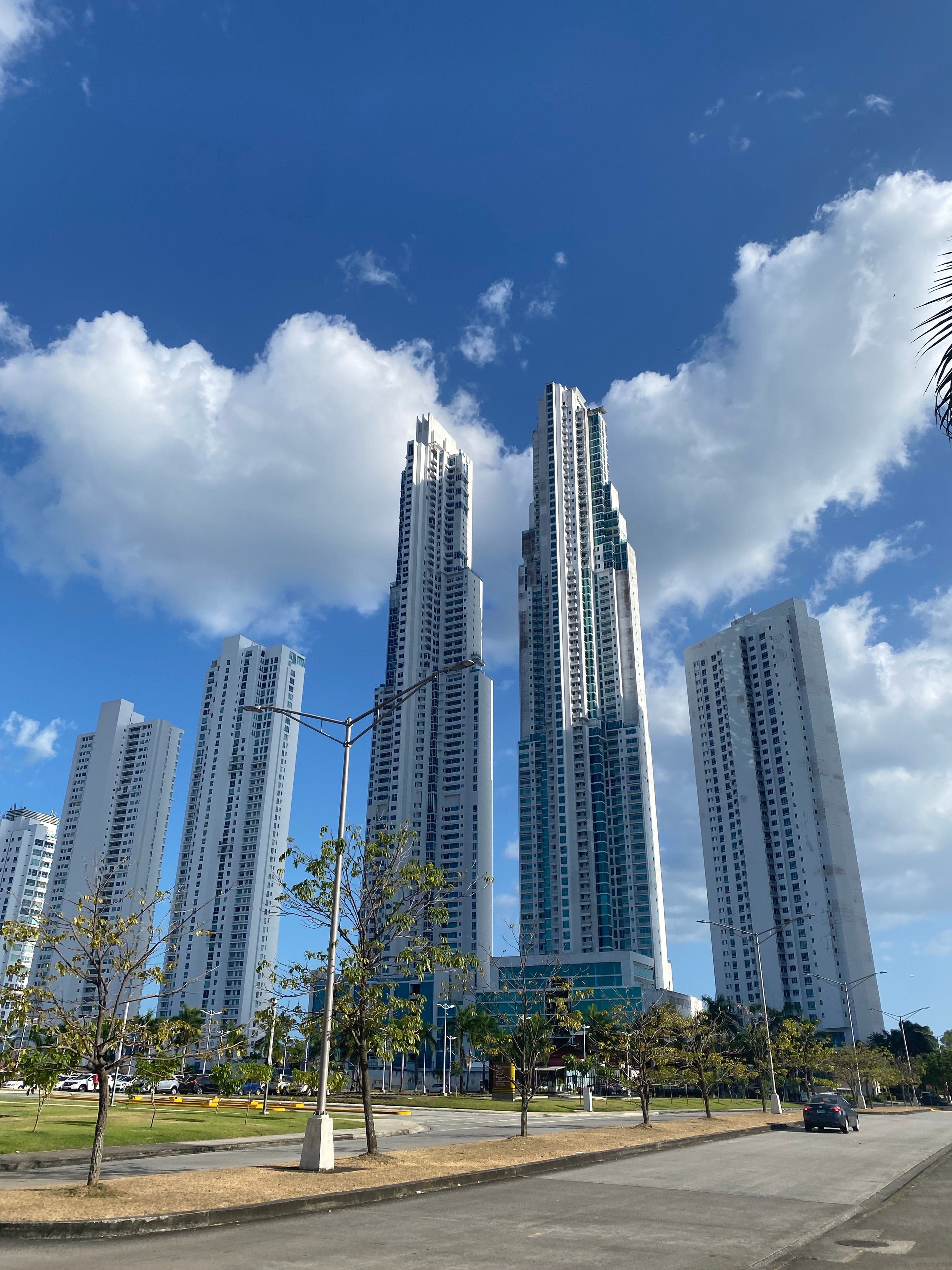
This area east of Panama City was designed from scratch with a logic that few Latin American neighborhoods have: master-planned urbanism, wide avenues, underground utilities, and a deliberate mix of residential, corporate, and commercial uses within the same footprint. The result is a neighborhood that runs 24 hours a day without becoming chaotic.
If you're considering moving here, this guide gives you what you really need to know: what day-to-day life is like, what apartments cost, which companies operate in the area, what its real limitations are, and for whom living in Costa del Este makes the most sense in 2026.
What exactly is Costa del Este?
Costa del Este is a master-planned urban development located in the Juan Díaz district, within Panama district. Unlike other neighborhoods in the city, it didn't grow organically. It was conceived as an integrated community where living, working, and shopping could all happen within the same environment.
The area borders the Corredor Sur highway to the north and the Pacific coastline to the south, and it connects directly to downtown, to Tocumen International Airport, and to other eastern neighborhoods such as Santa María and San Francisco.
What sets it apart from neighborhoods like Obarrio or El Cangrejo isn't just socioeconomic status. It's the infrastructure: wide streets with tree-lined boulevards, functional sidewalks, underground wiring, and private security that covers the entire area. That translates into a day-to-day experience that's noticeably different from the rest of the city.
Who does it make sense to live here?
Costa del Este has three resident profiles that coexist quite naturally.
Executives and corporate professionals. The presence of multinationals like Huawei, DHL, Deloitte, Copa Airlines, Procter & Gamble, Samsung, Adidas, 3M, Philips, and Bank of China makes Costa del Este an area where you can literally walk to work. For anyone employed at one of these companies or at any of the area's other corporate offices, living here all but eliminates the traffic problem.
Families with school-age children. The concentration of international schools is one of the biggest drivers of residential demand in the area. Costa del Este has seen steady population growth since 2020, driven mainly by families relocating for educational quality. Access to bilingual schools and international programs within the same neighborhood is a real differentiator.
Expats and relocated foreigners. The expat community in Costa del Este is active and well established. The supply of furnished apartments, the English-language services available in the area, and the proximity to the airport make it the top choice for international executives arriving in Panama on a corporate contract. It's also common among those applying for the Pensionado visa or entering as high-income digital nomads.
Apartment prices in Costa del Este: what to expect in 2026
The price range in Costa del Este is wide. You can find apartments starting around $250,000 and ranging up to properties worth several million dollars in oceanfront towers. The difference mainly depends on three variables: location within the area, size, and whether it has a Pacific view.
| Property type | Approximate price range |
|---|---|
| 2-bedroom apartment (70–100 m²) | $260,000 – $470,000 |
| 3-bedroom apartment (140–200 m²) | $470,000 – $950,000 |
| Oceanfront units / PH | $950,000 – $5,000,000+ |
| Furnished 2-bedroom rental | $2,000 – $2,900 / month |
| Furnished 3-bedroom rental | $2,500 – $4,200 / month |
Active pre-construction projects for delivery between 2027 and 2029 represent the most accessible entry point into the Costa del Este market. Pre-construction purchases let you lock in today's price with a down payment and installments during construction, which is especially attractive to investors looking for appreciation before delivery.
Corporate rentals—furnished apartments for multinational executives—are the highest-turnover segment and the one with the lowest vacancy. It's not unusual for these units to be rented out before the listing even finishes going live.
What is day-to-day life like in Costa del Este?
Beyond the numbers, what determines whether a neighborhood works for you is the daily experience. Here's what you'll actually find in Costa del Este.
Shopping centers and services. Town Center Costa del Este is the commercial hub of the area. It includes stores, restaurants, Clínica San Fernando hospital, gyms, and offices. A short distance away is Atrio Mall, with additional dining options, a university, and beauty services. Other plazas like P.H. Ocean Mall, Dream Plaza, and Times Square Plaza round out the offering. For everyday grocery shopping, Riba Smith, Foodie, and Super Rey are all available within the area.
Restaurants and dining. Costa del Este has a solid food scene that blends international cuisine with local options. Food trucks clustered at different spots around the area are part of the neighborhood's culture, especially at weekday lunchtime. Options range from gourmet spots to casual places where you can grab lunch for under $12.
Mobility and transportation. Access to the Corredor Sur is Costa del Este's single biggest logistical advantage. From here you can reach Tocumen Airport in under 10 minutes and the city's financial district in under 15. Internal traffic is manageable because the avenues are designed to absorb vehicle volume. Uber operates normally throughout the area.
Green spaces and outdoor living. Costa del Este has parks with coastal access, running trails overlooking the Pacific, and sports courts in the Costa del Mar area. The proximity to the sea isn't just aesthetic: plenty of residents work out facing the ocean at 6 a.m. as part of their daily routine.
Costa del Este as a real estate investment
The area has concrete characteristics that make it attractive to investors, beyond anyone who simply wants to live here.
Limited land. Development in the area is nearing capacity. Less available land puts steady upward pressure on value—something that simply doesn't happen in areas with abundant land.
Constant corporate demand. The multinationals established in the area generate continuous rental demand that doesn't disappear with market fluctuations. When one company leaves, another arrives.
High rental occupancy. Vacancy on well-located, furnished properties is notably low. Projects like Arcadia and Generation Tower are specifically designed for the short-term rental model, with expected ROI around 10% annually.
Documented appreciation. The price per square meter in Costa del Este has grown consistently over the past decade. Limited available land ensures that trend continues over the medium term.
For investors seeking stable passive income, Costa del Este is one of the most solid markets in Panama City. Not the one with the highest gross yield—areas like Punta Paitilla can offer similar returns—but the one with the lowest risk of prolonged vacancy.
What no one tells you: the real limitations of Costa del Este
No neighborhood is perfect. Before deciding to move here, consider these points.
The cost of living is higher. Services, restaurants, and supermarkets in Costa del Este tend to be pricier than in other parts of the city. If your monthly budget is tight, living here can put pressure on expenses that would be lower elsewhere.
Rush-hour traffic is real. Although the road infrastructure is superior to the rest of the city, peak hours on the Corredor Sur heading downtown can be slow. It's nothing like the chaos of Vía España or Tumba Muerto, but between 7:30–9:00 a.m. and 5:30–7:00 p.m. it isn't smooth sailing either.
Less organic neighborhood life. Costa del Este is modern and functional, but it lacks the spontaneous character of neighborhoods like El Cangrejo or San Francisco. If you're looking for a corner with a long-standing local diner, a neighborhood market, or the feel of a place with history, you probably won't find it here.
Costa del Este vs. other neighborhoods: when does it make the most sense?
| If you're looking for... | Costa del Este is your area if... |
|---|---|
| To live close to work | You work at a multinational or corporate company on the east side |
| An international school for your kids | You need bilingual or IB education close to home |
| Low-vacancy investing | You prioritize income stability over maximum returns |
| Lively neighborhood life | Consider El Cangrejo or San Francisco instead |
| A more affordable price | Look at options in Betania or the townships to the north |
Frequently asked questions about living in Costa del Este
How much does it cost to live in Costa del Este, Panama?
Apartments for sale range from $260,000 for two-bedroom units to more than $5 million for oceanfront penthouses. For rent, furnished two-bedroom apartments run around $2,000–$2,900 a month. The overall cost of living in the area is above the city average due to the premium services available.
Is Costa del Este a good place for families?
Yes. The concentration of international schools, the oceanfront parks, private security, and the availability of medical services make Costa del Este one of the preferred choices for families with children in 2026.
What companies have offices in Costa del Este?
Costa del Este is home to the Panamanian headquarters of multinationals such as Huawei, DHL, Deloitte, Copa Airlines, Procter & Gamble, Samsung, Adidas, 3M, Philips, and Bank of China, among others. It's the main corporate hub on the east side of Panama City.
How long does it take to get to the airport from Costa del Este?
Tocumen International Airport is less than 10 minutes away via the Corredor Sur. During rush hour, it can take 15 to 20 minutes. It's one of the best-connected areas to the airport within the city.
Is it worth investing in property in Costa del Este in 2026?
For those seeking passive income with low vacancy, yes. Corporate rental demand is steady, available land is limited, and appreciation has been sustained over the past decade. Active pre-construction projects are the most accessible entry point for investors who want to lock in today's price before delivery.
Is it worth living in Costa del Este?
The honest answer is: it depends on what you're looking for.
If you value functionality above everything else—living close to work, having quality schools around the corner, quick airport access, and feeling safe walking at night—Costa del Este is hard to beat in Panama City. The entry price is higher, but what you get in return is infrastructure that other neighborhoods simply don't have.
If you're looking for a neighborhood with more character, more spontaneous life, or a more conservative rental or purchase budget, there are other areas of the city that fit that profile better.
What is true for almost any profile—resident or investor—is that Costa del Este remains one of Panama's most solid, lowest-risk real estate markets. And that doesn't change with market trends.