
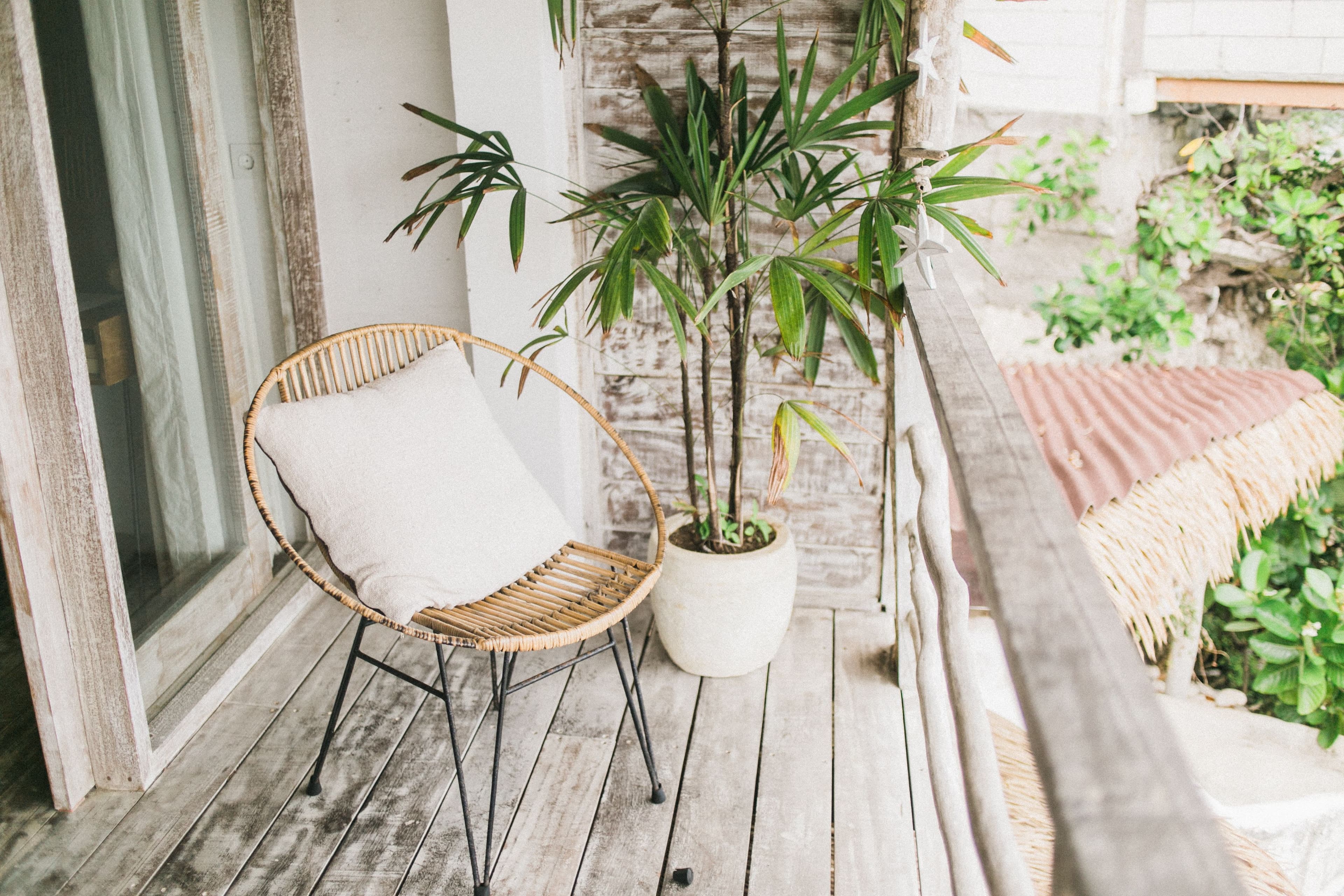
How to Make the Most of a Terrace in a Panama City Apartment
A terrace in a Panama City apartment is a real asset if you know how to use it. This guide shows you how to turn it into a space you can enjoy year-round: which furniture holds up to the tropical climate, how to manage sun and rain, which plants thrive, and how to create zones with a clear purpose without overspending.
How to Make the Most of a Terrace in a Panama City Apartment
In Panama City, a terrace isn't a decorative luxury. It's extra square footage you can—or can't—make livable. The difference between a terrace you use every day and one that just collects dust and clutter isn't size. It's how well it's designed for the climate it has to survive.
Panama's tropical climate has specific conditions that make many terrace decorating ideas that work in Europe or South America's Southern Cone simply fall apart here: intense rain from May to November, direct sun from December to April, constant humidity year-round, and heat that never really lets up. Designing a terrace for Panama means thinking about these conditions first, and aesthetics second.
This guide shows you how to do it right: which materials hold up, how to manage sun and rain, which plants thrive without daily upkeep, and how to organize the space around what you actually want to do there.
Step one: decide what you actually want the terrace for
Before you buy a single piece of furniture, answer this question: what's going to happen on your terrace? A terrace where you want to have breakfast only needs a small table and a comfortable chair. One where you want to host friends needs seating for several people and surface space for drinks. One where you want to read or work outdoors needs shade and a chair with good support. One where you want plants needs adequate sunlight and access to water.
Trying to make a terrace do everything at once without planning results in a cluttered space that doesn't do any one thing well. Define one or two main functions and design around them. That's what separates a terrace people actually use from one that looks nice in photos but where no one ever sits.
The climate problem: how to handle sun and rain
This is the chapter nobody skips in Panama if they want a terrace that's usable year-round. Dry-season sun can make a terrace unbearable between 10 a.m. and 4 p.m. without protection. And wet-season rain can come in sideways with wind, soaking even covered areas if the terrace is exposed.
Motorized retractable awning. This is the most versatile solution for medium and large terraces. It extends when it's sunny, retracts when rain comes with wind, and its position can be adjusted throughout the day. Wind-resistant models hold up well to Panama's conditions when installed correctly. The cost is higher than other options, but the lifespan and functionality justify it for terraces that get frequent use.
Pergola with adjustable louvers. This lets you control how much light comes in by rotating the louvers, similar to a horizontal blind. Some versions include an integrated drainage system for rain. It's a permanent solution with a better finished look than an awning, but it requires fixed installation and a higher budget.
Heavy-base patio umbrella. For small terraces, or as a budget-friendly option on medium ones, a large, good-quality umbrella can be enough to create a functional shaded zone. In Panama, look for models with an aluminum frame and solution-dyed fabric—fabric with color woven into the fiber itself, not just on the surface—which resists humidity and UV fading much better.
Privacy side screens. If your terrace gets sun from the side rather than overhead, side screens made of synthetic woven material (also called synthetic rattan or faux bamboo) block lateral sun, add privacy, and resist humidity without rotting. They're one of the most practical and affordable solutions for terraces in Panama City buildings.
Materials that hold up in the tropical climate: what to buy and what to avoid
Panama's humidity, intense sun, and frequent rain quickly wear out the wrong materials. Before buying terrace furniture, check that the materials are actually suited for outdoor use in a tropical climate.
Aluminum. The best structural material for outdoor furniture in tropical climates. It doesn't rust, doesn't corrode, requires no special maintenance, and is lightweight. Most good-quality terrace furniture available in Panama has an aluminum frame with a powder-coated or anodized finish. If a piece of furniture is light and has a metal frame, check that it's aluminum and not steel, which does rust.
Synthetic rattan (woven synthetic fiber). This is the most popular material for outdoor seating in Panama, and for good reason: it looks good, it's comfortable with the right cushions, it holds up to rain and sun, and it doesn't rot like natural rattan. Quality varies enormously: entry-level pieces have thinner fiber that can crack over time; higher-quality ones have thicker, more UV-resistant fiber. Always pair it with an aluminum frame.
Teak and treated tropical hardwoods. Teak is the quality standard for outdoor furniture in humid climates. It naturally resists moisture, insects, and fading. It's expensive, but it lasts decades with minimal upkeep—just a coat of teak oil once a year. Other treated tropical hardwoods can work too, but make sure the treatment is specifically for outdoor use in humid climates.
High-density polyethylene (HDPE). A synthetic material used in some quality outdoor chairs and tables. It's practically indestructible, doesn't rust, doesn't rot, and holds up to extreme temperatures and rain. Its look is more basic than synthetic rattan, but for heavy use it's a very solid option.
What to avoid: untreated wood or wood treated only for indoor use (it rots and splinters), wrought iron without galvanizing (it rusts within months), cotton or natural linen fabric for outdoor cushions (they absorb moisture and grow mold), and untreated natural rattan or bamboo (it deteriorates quickly in humid climates).
Cushions: the most important detail. The wrong cushion can ruin otherwise perfect furniture. In Panama, outdoor cushions should use solution-dyed fabric with quick-drying polyester foam filling. If a cushion absorbs water and doesn't dry out between rain showers, it develops mold within days. Always bring cushions indoors when you're away or when rain is in the forecast.
Plants for a terrace in Panama: what works and what doesn't
Plants are the single element that transforms a terrace in Panama the most for the least investment. The tropical climate favors species that would need a greenhouse in other countries. But not all plants work equally well on an apartment terrace.
The best options for a terrace in Panama City:
Heliconias and birds of paradise. Hardy tropical plants that bloom well in Panama's climate, tolerate direct sun and heavy rain, and add color and height. They're ideal for creating privacy along the edge of the terrace or as a focal point in a corner.
Pothos and philodendron. Low-maintenance tropical vines that grow in almost any light condition. Perfect for hanging planters or for covering walls and railings with greenery without needing constant watering. In Panama's climate, they practically take care of themselves as long as there's some ambient humidity.
Small palms. Areca palm, fishtail palm, or sago palm are great for terraces with good light. They add presence without growing too quickly and hold up well to sun and rain.
Culinary herbs. Basil, mint, oregano, rosemary, and chives grow well in pots on sunny terraces. They have the added benefit of being functional—you can actually cook with them. Rosemary and oregano are especially hardy; basil needs a bit more attention but grows fast in Panama's heat.
Succulents and cacti. For terraces with intense direct sun and little rain exposure (covered or well-protected terraces), succulents are ideal. On terraces exposed to direct wet-season downpours, they can run into problems with excess water.
What doesn't work well: plants that need cold weather to bloom, deep-shade species exposed to Panama's direct sun, and any plant in a pot too small to hold enough water between waterings during the dry season.
A practical watering tip: during the dry season (December to April), most potted plants need daily or every-other-day watering. During the wet season, rain is usually enough for many species if the terrace is exposed. If you travel often, choose low-water species or install an automatic drip irrigation system.
How to organize the space: zones with a clear purpose
A well-organized terrace has defined zones. Size doesn't matter much—even a 6-square-meter balcony can have two zones if the furniture is chosen well.
Lounge zone. The heart of any terrace. A two-seat sofa or two armchairs with a small coffee table is enough for two people on a compact terrace. For larger terraces, an L-shaped setup or two sofas facing each other with a table in between creates a comfortable conversation area. The principle is the same as indoors: furniture should create a conversation, not sit pushed against the walls.
Dining zone. If your terrace has enough space, a small dining table with two or four chairs lets you have breakfast, dinner, or work outdoors. Extendable tables are ideal for medium terraces: compact for everyday use, extendable when you have guests. Choose stackable chairs if space is limited.
Green zone. A corner dedicated to plants, whether on the floor with pots of varying heights, on vertical shelving, or with hanging plants. This zone doesn't need to be large to have visual impact: three or four well-grouped pots have more presence than ten scattered across the terrace.
Lighting: how to use the terrace at night
Lighting completely transforms the character of a terrace once evening falls. In Panama, the temperature drops enough after 6 p.m. to make the terrace the most pleasant spot in the apartment. If you don't have lighting, you're missing out on the best hours of the day.
LED string lights. The easiest, most affordable option with the best visual payoff. They install without an electrician, use very little power, and create a warm atmosphere instantly. Choose models rated IP65 or higher for outdoor use, which hold up to rain and humidity. Warm light (2700K–3000K) works much better than cool white light for creating atmosphere at night.
Portable rechargeable lamps. A rechargeable table lamp on the coffee table or dining table adds an intimate point of light with no cables or electrical installation needed. Good-quality, water-resistant models are available at home decor stores in Panama.
Outdoor-rated wall sconces. If you want fixed, more powerful lighting, wall sconces with an outdoor IP rating are the professional solution. They require electrical installation but deliver the best light quality and are permanent.
Common mistakes with apartment terraces in Panama
Buying indoor furniture for the terrace. Untreated wood furniture, regular fabric upholstery, and non-galvanized iron frames deteriorate within months in Panama's climate. Always verify that materials are specifically rated for outdoor use in humid climates.
Not solving the sun problem before decorating. Decorating first and only afterward realizing the terrace is unusable between 11 a.m. and 4 p.m. is the most common mistake. Figure out your shade solution before buying any furniture.
Filling the terrace with pots that have no drainage. Pots without drainage holes collect water from rain and rot the roots. All outdoor pots should have drainage. If the terrace floor doesn't have proper slope, standing water can also damage the floor and create moisture problems.
Ignoring the building's rules. Some buildings in Panama City have restrictions on what you can install on a terrace: maximum weight, allowed types of installations, whether you can drill into walls, whether hanging items are permitted. Check your building's regulations before making any permanent installations.
Not cleaning the terrace regularly. Panama City dust combined with humidity creates a grime that stains floors and furniture if not cleaned often. A basic weekly cleaning keeps the terrace usable without it turning into a big chore every time you want to sit out there.
Frequently asked questions about apartment terraces in Panama
What terrace furniture holds up best to Panama's climate?
Furniture with an aluminum frame and synthetic rattan or HDPE seating holds up best to Panama's tropical climate. Avoid non-galvanized iron, wood not treated for outdoor use, and cotton or natural linen fabrics. For cushions, choose solution-dyed fabrics with quick-drying foam filling and bring them indoors when it rains.
Can I have a garden on an apartment terrace in Panama?
Yes, and Panama's climate makes it remarkably easy. Heliconias, palms, pothos, philodendron, and culinary herbs all grow well in pots on terraces with adequate light. The main challenge isn't the climate but watering during the dry season and drainage during the wet season. An automatic irrigation system solves the first; pots with good drainage solve the second.
What can I install on the terrace without building permission?
Furniture, plants, outdoor rugs, string lights, and portable lamps generally don't require permission. Permanent installations like awnings, pergolas, or fixed electrical fixtures may require approval from the owners' board depending on your building's regulations. Check before installing anything permanent.
How do I protect terrace furniture during the rainy season?
Furniture with aluminum frames and synthetic rattan can be left on the terrace during rain. What you should bring inside are the cushions: take them in whenever rain is expected or when you're away. If you have a storage room or a roomy closet, store the cushions during weeks of heavy rain and bring them back out on dry days.
Is it worth investing in a terrace if I'm renting?
It depends on how long you plan to stay. For stays of more than a year, investing in good-quality furniture and plants you can take with you when you move is perfectly reasonable. String lights, portable lamps, and furniture are all easy to relocate. What doesn't make sense if you're renting is installing permanent upgrades like fixed awnings or new flooring over the existing one without the landlord's authorization.
A well-thought-out terrace is another room
In Panama City apartments, where interior square footage is the most expensive resource, a well-used terrace can completely transform your quality of life. It's breakfast in the breeze at 7 a.m. before the heat sets in, dinner outdoors once the temperature drops, a workspace with natural light free of indoor distractions.
Doing it right doesn't require a big investment. Start by solving the sun and rain problem, which is the main barrier to use. Add two or three pieces of furniture in the right materials. Bring in plants that don't need daily attention. And add lighting for the evenings. With that, you'll have a terrace you use every day of the year, not just when the weather happens to cooperate.